Chris wanted to move 🏠 from the Northshore back to the Southshore. With his daughter off to college, his 2,200 sq. ft. home was more than he needed.Before listing, we created a plan to maximize

Dated: May 7 2024
Views: 149
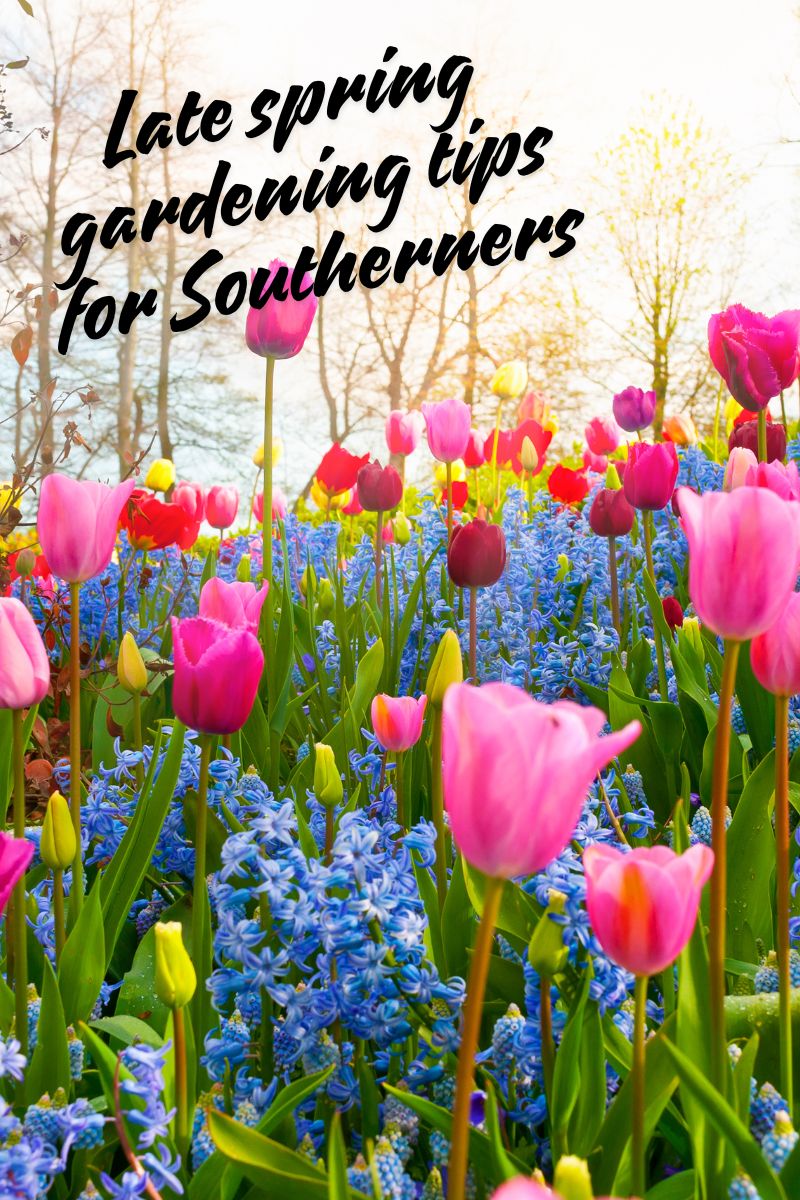
Warmer temperatures are here! Late spring in the southern regions brings with it warmer temperatures and increasing humidity, creating both opportunities and challenges for gardeners. Here are some tailored gardening tips to help southerners make the most of this time:
Choose Heat-Tolerant Plants: Opt for plants that can thrive in the heat and humidity of the southern climate. Examples include okra, sweet potatoes, peppers, tomatoes, sunflowers, zinnias, and marigolds.
Water Wisely: Late spring often marks the beginning of drier weather in the South, so it's crucial to water your garden appropriately. Early morning watering is ideal to minimize water loss from evaporation and reduce the risk of fungal diseases.
Mulch for Moisture Retention: Apply a layer of organic mulch, such as straw, pine straw, or shredded bark, around your plants to help retain soil moisture, suppress weeds, and regulate soil temperature. Mulching also provides a barrier between the soil and the sun, preventing excessive evaporation during hot days.
Provide Shade and Shelter: Protect sensitive plants from the intense heat and sun of late spring by providing shade and shelter. Use shade cloth, row covers, or plant taller crops to provide natural shade for heat-sensitive vegetables like lettuce, spinach, and other leafy greens.
Monitor for Pests and Diseases: With the warmer temperatures and increased humidity of late spring, pests and diseases can become more prevalent in southern gardens. Keep a close eye on your plants for signs of pest infestations, such as chewed leaves or wilting, and take prompt action to control them using organic methods or insecticidal soaps.
Harvest Regularly: Many vegetables and herbs reach their peak production during late spring in the South. Be sure to harvest crops like tomatoes, peppers, cucumbers, squash, and herbs regularly to encourage continued fruiting and prevent them from becoming overripe or prone to pests and diseases.
Provide Adequate Support: As plants grow and produce, provide them with the necessary support to prevent them from sprawling or bending under their own weight. Use stakes, trellises, or cages to support tall or vining crops like tomatoes, cucumbers, and pole beans, and tie up any floppy stems to keep them upright and maximize airflow around the plants.
Maintain Soil Health: Regularly replenish soil nutrients by incorporating organic matter such as compost or aged manure into the soil. This helps improve soil structure, fertility, and moisture retention, ensuring that your plants have access to the nutrients they need to thrive throughout the growing season.
By following these gardening tips tailored for late spring in the South, you can maximize your garden's productivity and enjoy a bountiful harvest despite the challenges of heat, humidity, and pests. Happy gardening!

Raquel Frederick is a dedicated real estate professional working with RE/MAX N.O. Properties, one of the leading real estate agencies in the area. With an exceptional commitment to client satisfaction....
Chris wanted to move 🏠 from the Northshore back to the Southshore. With his daughter off to college, his 2,200 sq. ft. home was more than he needed.Before listing, we created a plan to maximize
First-Time Home Buyers: Cameron & Rachel’s Success Story 🍀Cameron and Rachel were ready to move out of their small apartment and invest in a home of their own. As first-time home buyers
https://www.simplifyingthemarket.com/en/2026/02/05/top-3-reasons-to-buy-a-home-before-spring?a=408343
It was my last winter living in Charlotte, Michigan – a small city just outside of Lansing. I owned a country home on a couple of acres, about ten miles from the RE/MAX office I was a part of
 Copyright © 2026 New Orleans Metropolitan Association of REALTORS®, Inc. All Rights Reserved. The sharing of MLS database, or any portion thereof, with any unauthorized third party is strictly prohibited. Information contained on this site is believed to be reliable; yet, users of this web site are responsible for checking the accuracy, completeness, currency, or suitability of all information. Neither the New Orleans Metropolitan Association of REALTORS®, Inc. nor the Gulf South Real
Estate Information Network, Inc. makes any representation, guarantees, or warranties as to the accuracy, completeness, currency, or suitability of the information provided. They specifically disclaim any and all liability for all claims or damages that may result from providing information to be used on the web site, or the information which it contains, including any websites maintained by third parties, which may be linked to this web site. The information being provided is for the consumers personal, non-commercial use, and may not be used for any purpose other than to identify prospective properties which consumers may be interested in purchasing. The user of this site is granted permission to copy a reasonable and limited number of copies to be used in satisfying the purposes identified in the preceding sentence. Last Updated: September 22, 2026 8:18 PM UTC
Show More...
Copyright © 2026 New Orleans Metropolitan Association of REALTORS®, Inc. All Rights Reserved. The sharing of MLS database, or any portion thereof, with any unauthorized third party is strictly prohibited. Information contained on this site is believed to be reliable; yet, users of this web site are responsible for checking the accuracy, completeness, currency, or suitability of all information. Neither the New Orleans Metropolitan Association of REALTORS®, Inc. nor the Gulf South Real
Estate Information Network, Inc. makes any representation, guarantees, or warranties as to the accuracy, completeness, currency, or suitability of the information provided. They specifically disclaim any and all liability for all claims or damages that may result from providing information to be used on the web site, or the information which it contains, including any websites maintained by third parties, which may be linked to this web site. The information being provided is for the consumers personal, non-commercial use, and may not be used for any purpose other than to identify prospective properties which consumers may be interested in purchasing. The user of this site is granted permission to copy a reasonable and limited number of copies to be used in satisfying the purposes identified in the preceding sentence. Last Updated: September 22, 2026 8:18 PM UTC
Show More...
